
Animal disease
Animal diseases encompass conditions affecting non-human organisms.

Internet Archive Book Images · No restrictions
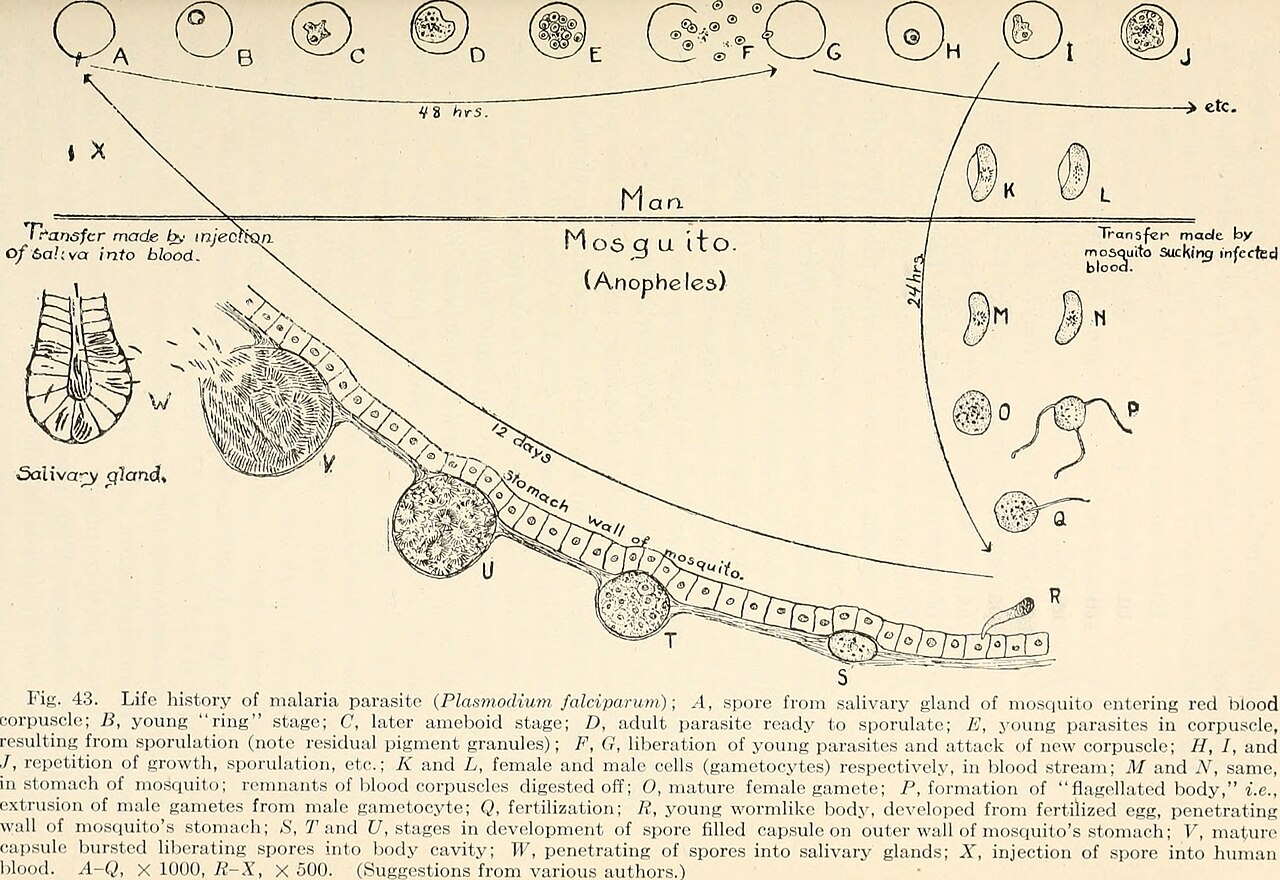
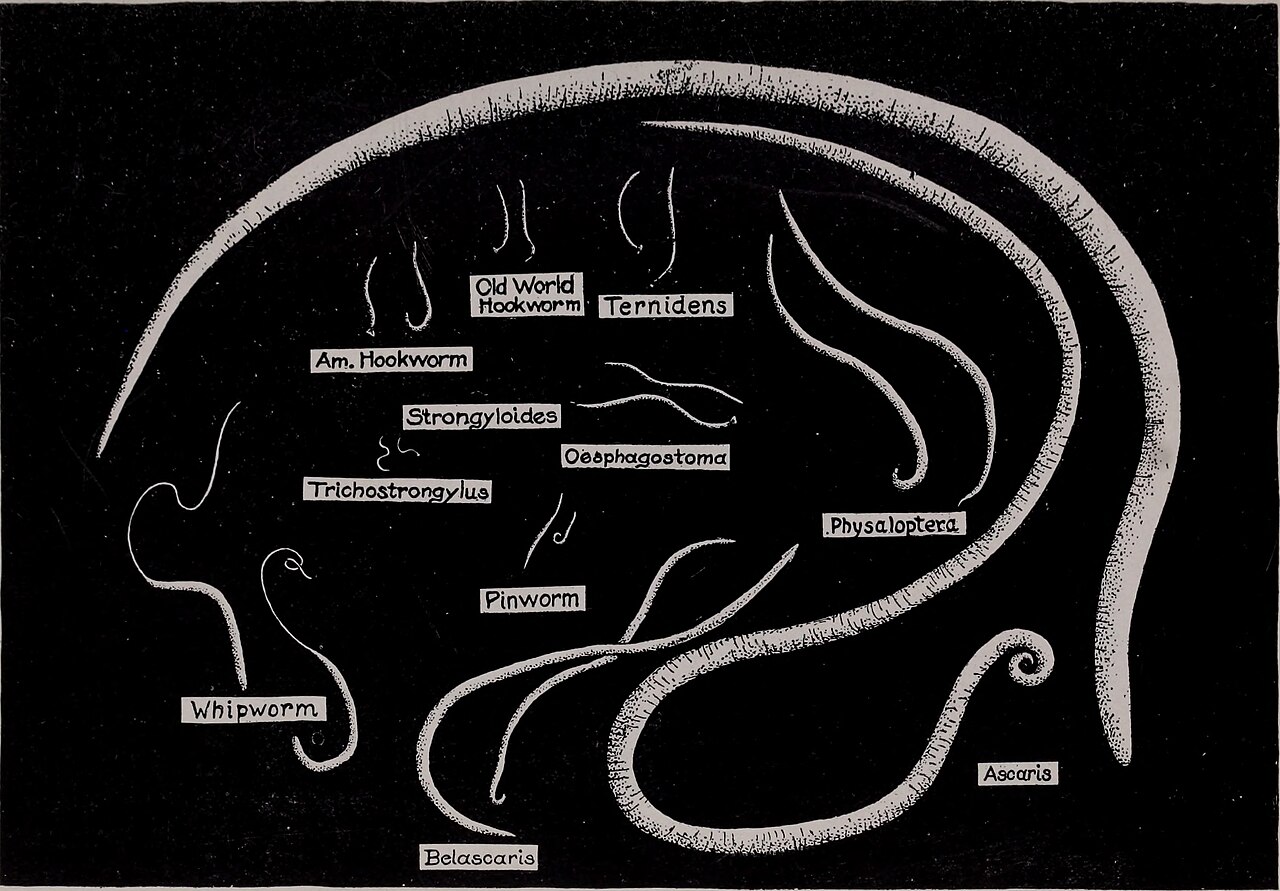
Animal disease is a category of medical conditions that affect non-human organisms. The source article defines a medical condition as a broad term that includes all diseases and disorders, with a disease being an abnormal condition affecting the body of an organism and a disorder being a functional abnormality or disturbance. Animal diseases are listed separately from human diseases and include specific lists for various animal groups.
- category
- Animal disease
- subcategories
- List of aquarium diseases, List of diseases of the honey bee, List of diseases spread by arthropods, List of dog diseases, List of feline diseases, List of zoonotic diseases, Poultry disease
- related_human_category
- Human diseases
- related_other_category
- Other diseases
- source
- Source article
Lore & Background
The source article organizes animal diseases into several specific lists: aquarium diseases, diseases of the honey bee, diseases spread by arthropods, dog diseases, feline diseases, zoonotic diseases, and poultry disease. These lists are part of a broader compendium that also includes human diseases, cereal diseases, and other disease categories. The article does not provide further details about the content of these lists or the specific diseases they contain.
Reader's Guide
Animal disease is a distinct category within the source article's classification of medical conditions. It is listed alongside human diseases, cereal diseases, and other diseases, indicating a structured approach to cataloging diseases by affected host. The inclusion of zoonotic diseases—diseases that can spread between animals and humans—highlights the interconnectedness of animal and human health. The article does not elaborate on the significance or legacy of animal disease research, but the existence of these lists suggests an organized effort to document conditions affecting various animal species, from aquarium inhabitants to livestock. This categorization aids in understanding disease patterns, transmission, and management across different biological contexts.
Did You Know?
- Animal diseases include specific lists for aquarium diseases, diseases of the honey bee, and diseases spread by arthropods.
- Zoonotic diseases are listed under animal diseases and can spread between animals and humans.
- The source article also lists dog diseases, feline diseases, and poultry disease under animal diseases.
- Animal diseases are categorized separately from human diseases and cereal diseases in the source article.
Origins and the Cold War Shadow
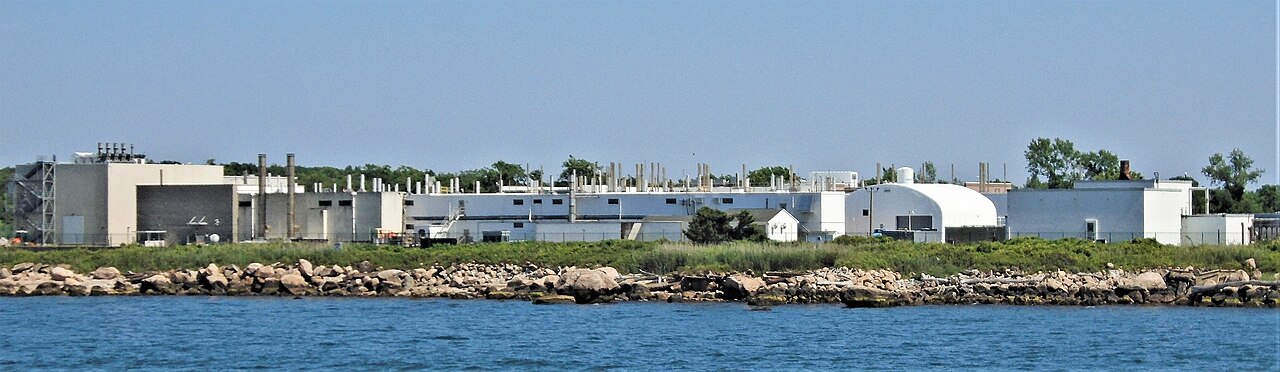
Born from the urgent need to shield American herds from foreign pathogens, the Plum Island Animal Disease Center opened its doors in 1954 after disease outbreaks swept through Mexico and Canada that same year. The U.S. Army handed the island over to the Agriculture Department, which established a dedicated research outpost for studying foot-and-mouth disease in cattle. What made the site singular was its exclusive national authorization to handle live FMD samples—a distinction no other American laboratory held.
The center's early years overlapped with the height of Cold War tensions. During that era, the facility also served as a venue for investigating biological weapons aimed at livestock. That offensive program came to a close in 1969, when President Richard Nixon announced the termination of the United States' bioweapons development effort. From that point forward, the island's identity shifted fully toward defensive research and the protection of the nation's agricultural supply. The facility operated at Biosafety Level 3, a designation reflecting the extreme infectiousness of the pathogens it housed daily.
Scientific Mission and Institutional Partnerships
Over seven decades, the center organized its work around three pillars: diagnosing foreign animal diseases, conducting applied and basic research, and training the next generation of veterinary professionals. Since 1971, the site has hosted annual Foreign Animal Disease Diagnostic schools, bringing together federal and state veterinarians, laboratory staff, military veterinary personnel, and veterinary school faculty for hands-on instruction.
On the research front, the Agricultural Research Service pursued faster-acting vaccines and antivirals designed to halt transmission during outbreaks. Antivirals served a critical bridging role, preventing new infections while vaccine-induced immunity took hold. The principal targets included foot-and-mouth disease, classical swine fever, and vesicular stomatitis virus. The center's output fed directly into the USDA National Veterinary Vaccine Stockpile.
A distinctive feature of the operation was the interagency partnership between the Department of Homeland Security's Targeted Advanced Development unit and USDA scientists, working alongside academia and industry to deliver countermeasures for licensure. The Foreign Animal Disease Diagnostic Laboratory, run by APHIS, earned international recognition for its diagnostic capabilities.
Controversy, Activism, and Political Turmoil
From its earliest days, the center attracted scrutiny for its location just off the eastern tip of Long Island, a mere distance from the New York metropolitan area. The combination of high-risk select-agent work, substantial operating costs, and proximity to millions of residents made the facility a perennial target of public debate.
In 2000, local Long Island activists mounted a successful campaign that blocked the center from receiving Biosafety Level 4 accreditation, a step that would have permitted research on human-affecting pathogens. Congress revisited the expansion plan in 2002, but the political will had shifted. That same year, a Wall Street Journal report revealed that many scientists and government officials favored closing the lab entirely, arguing the FMD threat was too remote to justify its $16.5 million annual budget.
The center's governance also shifted. In 2002, control passed from the Agriculture Department to the newly created Department of Homeland Security, which had sought to close and replace the facility since at least 2005. Labor disputes and whistleblower firings further complicated the center's public image, including a 2003 case in which an NLRB judge found the contractor had discriminated against an employee who raised safety concerns.
Closure, Remediation, and the Fight for the Island
The chapter at Plum Island closed in September 2025, when scientific research activity ceased and operations relocated to the USDA National Bio and Agro-Defense Facility in Manhattan, Kansas. The island's 70 buildings, many already in a state of disrepair, now face remediation under the oversight of the Environmental Protection Agency, and the question of what becomes of the 840-acre site remains fiercely contested.
The island's ecological value has been a central argument in that debate. Designated an important bird area by the New York Audubon Society, Plum Island hosts osprey nests, bluebird boxes, and planned kestrel houses. Environmentalists opposed any sale or development of the habitat, which shelters numerous endangered species.
That opposition proved decisive in 2020, when the Department of Homeland Security proposed auctioning the island after Congress blocked the completion of laboratory work. Senator Chuck Schumer negotiated a provision into the CARES Act that shielded the island from sale, calling it a grave mistake to develop the land. The island's own infrastructure—its fire department, power plant, water treatment facility, and security apparatus—stands as a reminder of how much human engineering once dominated this stretch of the Long Island coast.
Gallery
Frequently Asked Questions
What counts as an animal disease in this classification?
Animal disease refers to any abnormal or dysfunctional condition affecting a non-human organism, covering everything from a structural abnormality to a functional disturbance in bodily processes. The category sits alongside human diseases but is treated as a separate medical grouping.
How does the encyclopedia distinguish a disease from a disorder?
A disease is defined as an abnormal state affecting an organism's body, while a disorder points to a functional disturbance or irregularity in how a system operates. Both fall under the broader umbrella of medical conditions.
What subcategories break down the animal disease topic?
The category branches into lists for specific groups such as dogs, cats, poultry, honey bees, and aquarium animals, plus a dedicated section for diseases spread by arthropods and another for zoonotic conditions that can jump to humans.
Why are zoonotic diseases listed under animal diseases rather than human diseases?
Zoonotic conditions are catalogued here because their primary origin and reservoir are non-human organisms, even though they can transmit to people. They appear in the human-disease category as well, but their biological home is the animal side.
How does this category relate to other disease classifications?
Animal diseases are kept separate from human diseases and from a broader 'other diseases' grouping, reflecting the convention of organizing medical conditions by the type of organism affected. This separation makes it easier to find species-specific information without wading through unrelated human pathology entries.
More in Animal diseases 1-24
Spotted an error? Know more?
This is a living reference — every entry is fact-audited, and reader corrections feed straight into our audit queue. Suggest an edit · See this site's audit record