
Bladder stone (animal)
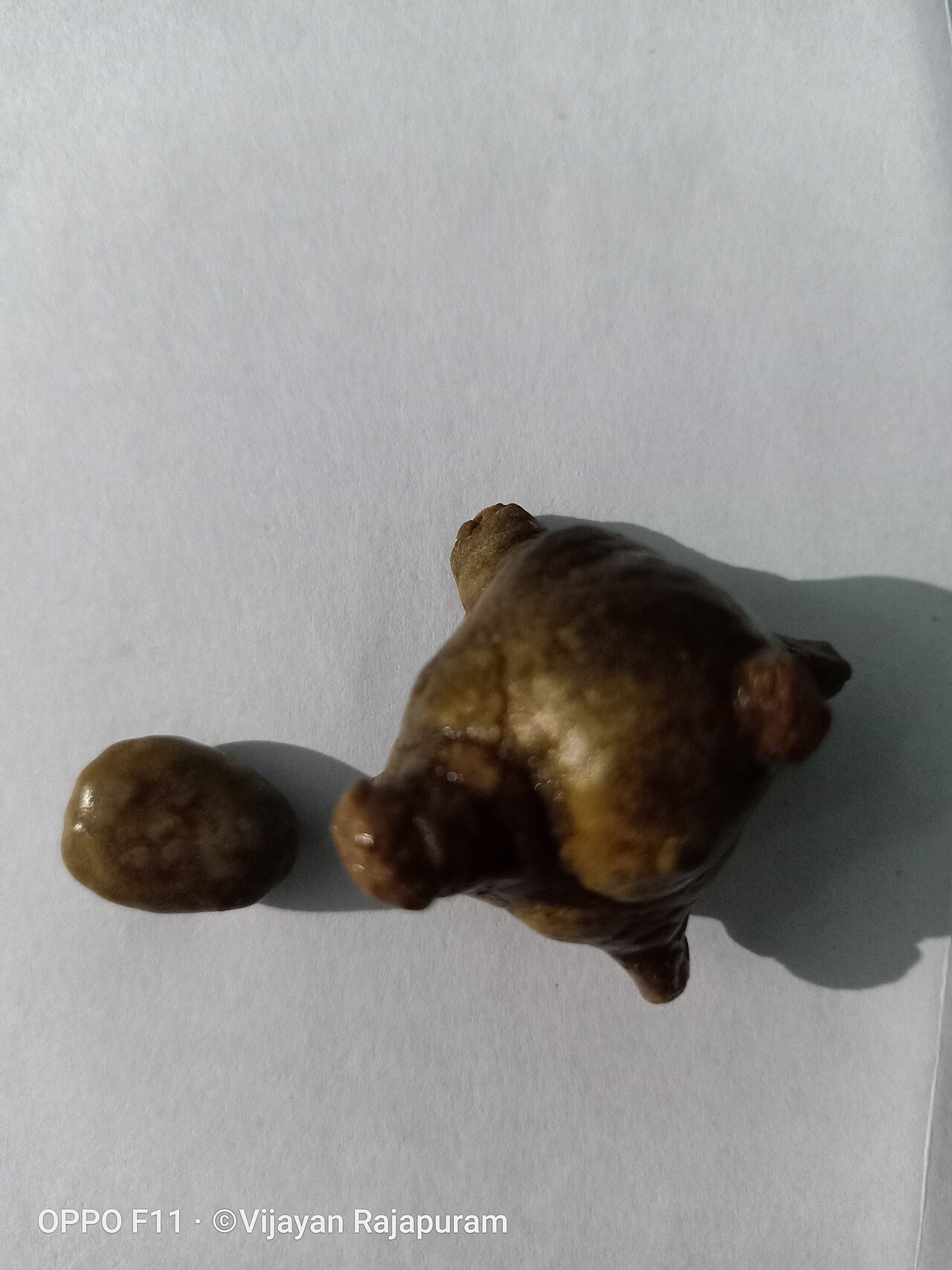
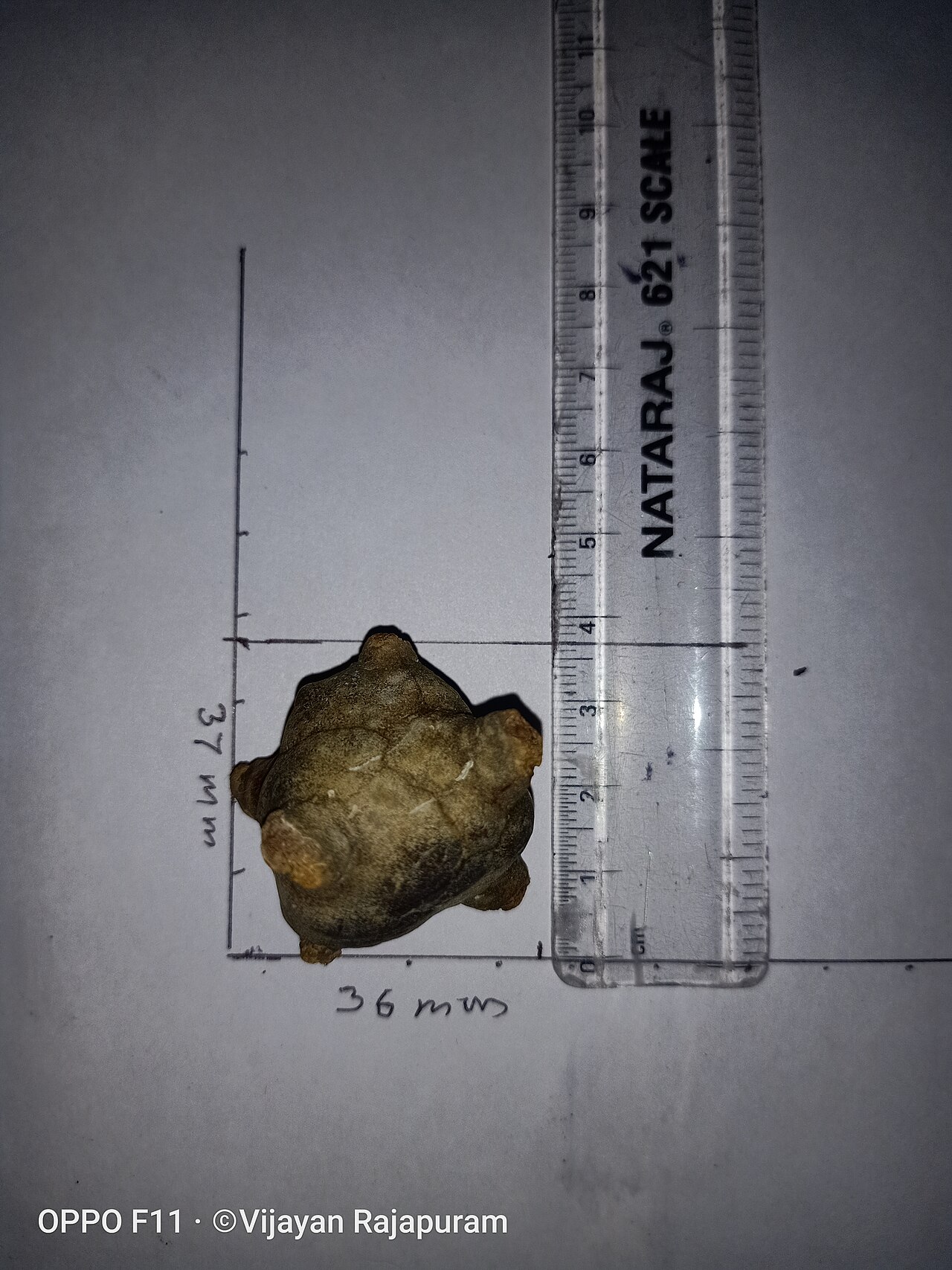
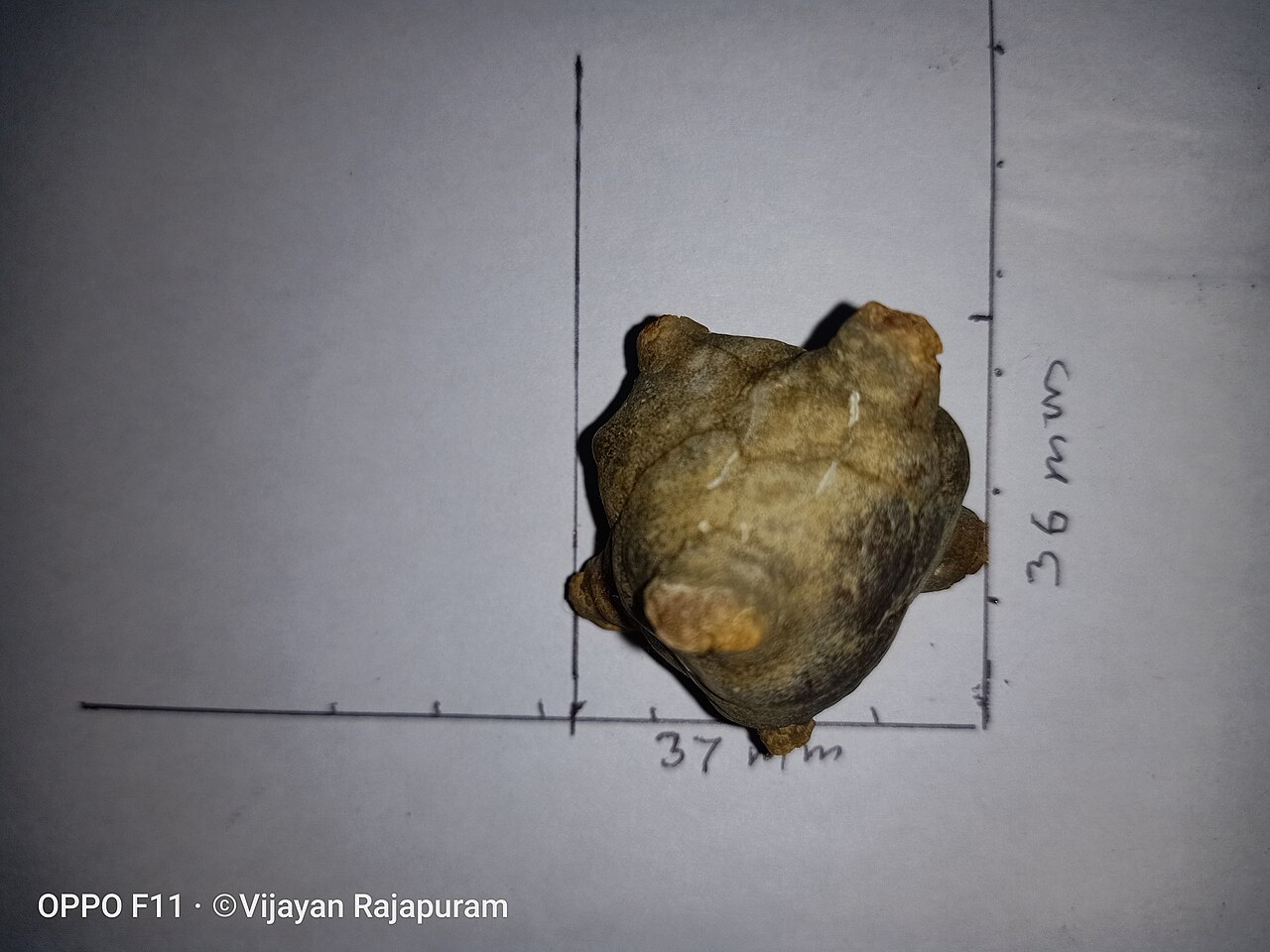
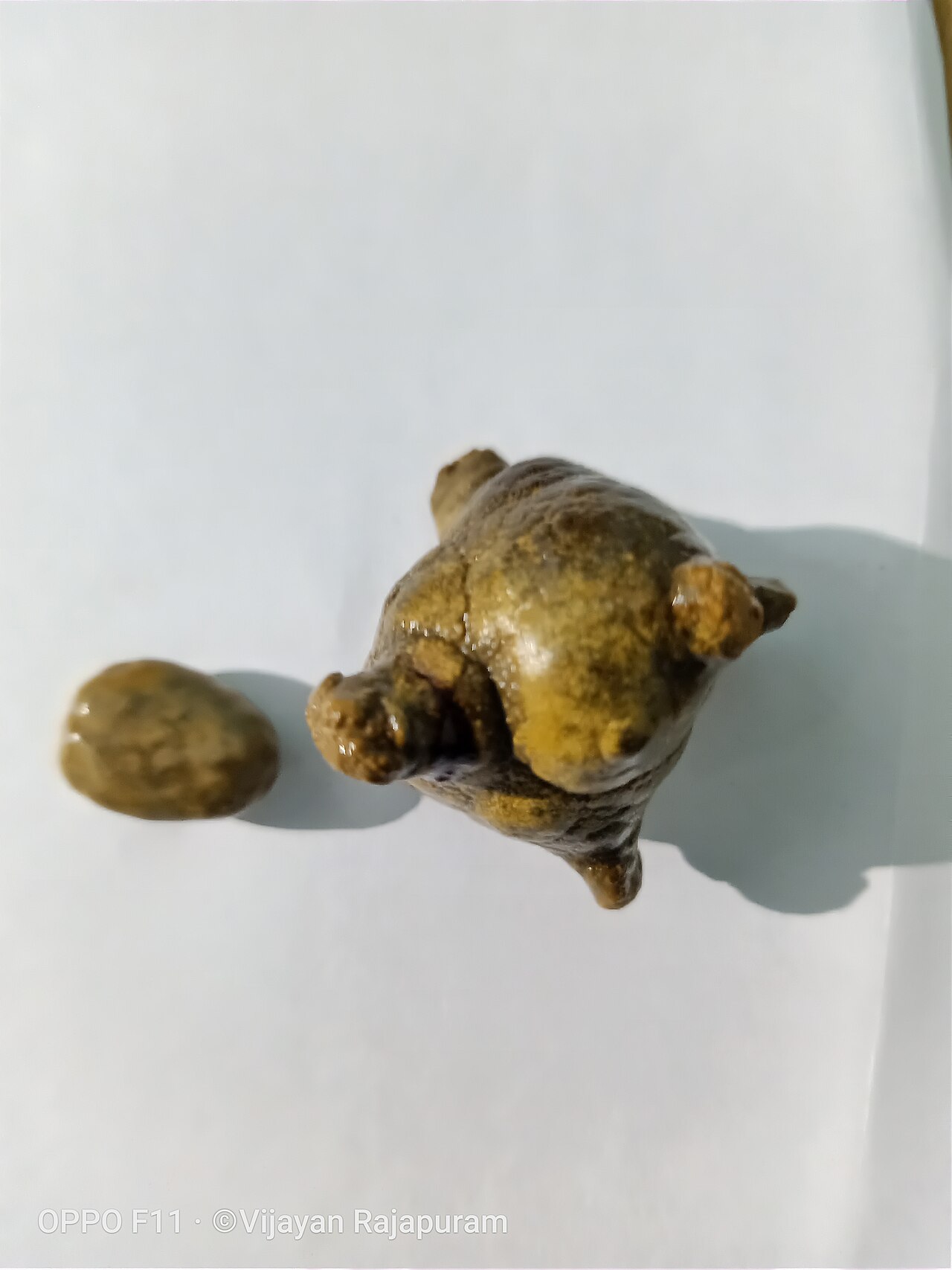
Bladder stones are common urinary tract formations in domestic animals.

Vijayanrajapuram · CC BY-SA 4.0
Bladder stones, also known as uroliths, are a common occurrence in domestic animals such as dogs and cats, and have also been reported in other species including tortoises. These stones form in the urinary bladder in varying sizes and numbers due to infection, dietary influences, and genetics, and can cause significant health issues including urinary tract obstruction and death.
- common_types
- Struvite and calcium oxalate
- affected_species
- Dogs, cats, tortoises, ferrets, rabbits
- primary_cause
- Oversaturation of urine with crystals
- diagnostic_methods
- X-ray, ultrasonography, urinalysis
- key_risk_factors
- Infection, diet, genetics, urine pH
Lore & Background
Bladder stones form around a nidus composed of white blood cells, bacteria, organic matrix, or crystals alone, which makes up two to ten percent of the stone's mass. Oversaturation of urine with crystals is the biggest factor in stone formation, influenced by increased crystal excretion, water reabsorption, and changes in urine pH. Nutrition plays a major role, with sodium, calcium, phosphorus, and potassium ratios affecting urinary health.
Reader's Guide
Bladder stones are significant in veterinary medicine because they cause hematuria, painful urination, and can lead to life-threatening urethral obstruction, especially in male animals. The two most common types, struvite and calcium oxalate, have different formation conditions and treatments. Struvite stones form at neutral to alkaline pH and are often associated with bacterial infections in dogs, while calcium oxalate stones form in acidic to neutral urine and are linked to hypercalcaemia. Dietary management is key: struvite stones can be dissolved with acidifying diets, but calcium oxalate stones cannot be dissolved and require preventive diets low in protein and oxalates. The frequency of these stone types in cats has shifted over time, likely due to changes in commercial diets designed to prevent one type inadvertently promoting the other.
Did You Know?
- Struvite stones are also known as magnesium ammonium phosphate stones.
- More than 90 percent of dogs with struvite stones have an associated urease-producing bacterial infection.
- Calcium oxalate stones are the most common stone in male dogs.
- Urethral plugs in cats are usually composed of struvite crystals and organic matter.
The Chemistry of Stone Formation
Bladder stones in animals begin with a fundamental problem: urine becomes oversaturated with crystalline material. In dogs and cats, this oversaturation is the dominant driver, arising from kidneys excreting excess crystal-forming substances, renal tubules reabsorbing too much water, or pH shifts that favor crystallization. Secondary contributors include diet, voiding frequency, inherited genetic tendencies, current medications, and urinary tract infections.
Once conditions align, a tiny core called a nidus assembles. This seed may combine white blood cells, bacteria, organic matrix, and crystals, or consist of crystals alone. The nidus accounts for roughly two to ten percent of the finished stone's mass. In some cases the nidus is a different crystal type than the surrounding layers, a phenomenon called epitaxial growth.
Nutrition exerts a particularly powerful influence. The balance of sodium, calcium, phosphorus, and potassium in the diet shapes urinary health. Research shows that insufficient dietary potassium raises renal calcium excretion and lowers urinary pH, creating a favorable environment for calcium oxalate stones—a pattern especially relevant in male cats.
Clinical Presentation and the Threat of Obstruction
Bladder stones in animals can present deceptively. Some pets show blood in their urine, while others display no outward signs whatsoever. When symptoms do appear, they often include painful urination or visible straining. Urinary tract infections frequently accompany the condition, creating a compounding cycle of irritation.
The most dangerous scenario involves smaller stones migrating into the urethra. This risk is particularly acute in male animals. Once a stone blocks the urethral passage, the animal becomes unable to urinate at all. The consequences cascade rapidly: acute kidney failure sets in, potassium levels spike dangerously (hyperkalemia), sepsis develops, and death can follow within just a few days if the obstruction is not relieved.
It is worth noting that bladder stones are distinct from bladder crystals. However, if crystals accumulate and coalesce unchecked within the bladder, they can gradually grow into full stones, bridging the gap between a minor finding and a serious clinical problem. In dogs and cats, stones can form anywhere along the urinary tract, though kidney stones are less common than in humans and do not typically cause significant disease on their own, though they may contribute to pyelonephritis or chronic kidney disease.
Stone Types and Species-Specific Patterns
Bladder stones in animals come in several chemical varieties: struvite, calcium oxalate, urate, cystine, calcium phosphate, and silicate. Struvite and calcium oxalate dominate by a wide margin.
Struvite—chemically magnesium ammonium phosphate—forms in neutral to alkaline urine. In dogs, more than ninety percent of struvite cases involve a urease-producing bacterial infection that raises urinary pH. In cats, however, struvite stones typically form in sterile urine. Their appearance ranges from a single large stone to multiple smaller ones, and they can mold to the shape of the bladder or urethra. Certain breeds show clear predispositions: Miniature Schnauzers, Bichon Frises, and Cocker Spaniels are frequently affected. Struvite is the most commonly reported stone in female dogs and in ferrets, with pregnant ferrets being especially vulnerable.
Calcium oxalate stones form in acidic to neutral urine and exist as two natural forms: whewellite (monohydrate) and weddellite (dihydrate). They are the most common stone in male dogs, with breeds like Lhasa Apsos, Yorkshire Terriers, Miniature Poodles, Shih Tzus, and Bichon Frises showing particular susceptibility. In domestic rabbits, calcium oxalate stones are common due to their unique calcium metabolism, where intestinal absorption does not depend on vitamin D, leading to thick, creamy, or sandy urine.
Diagnosis and Management Strategies
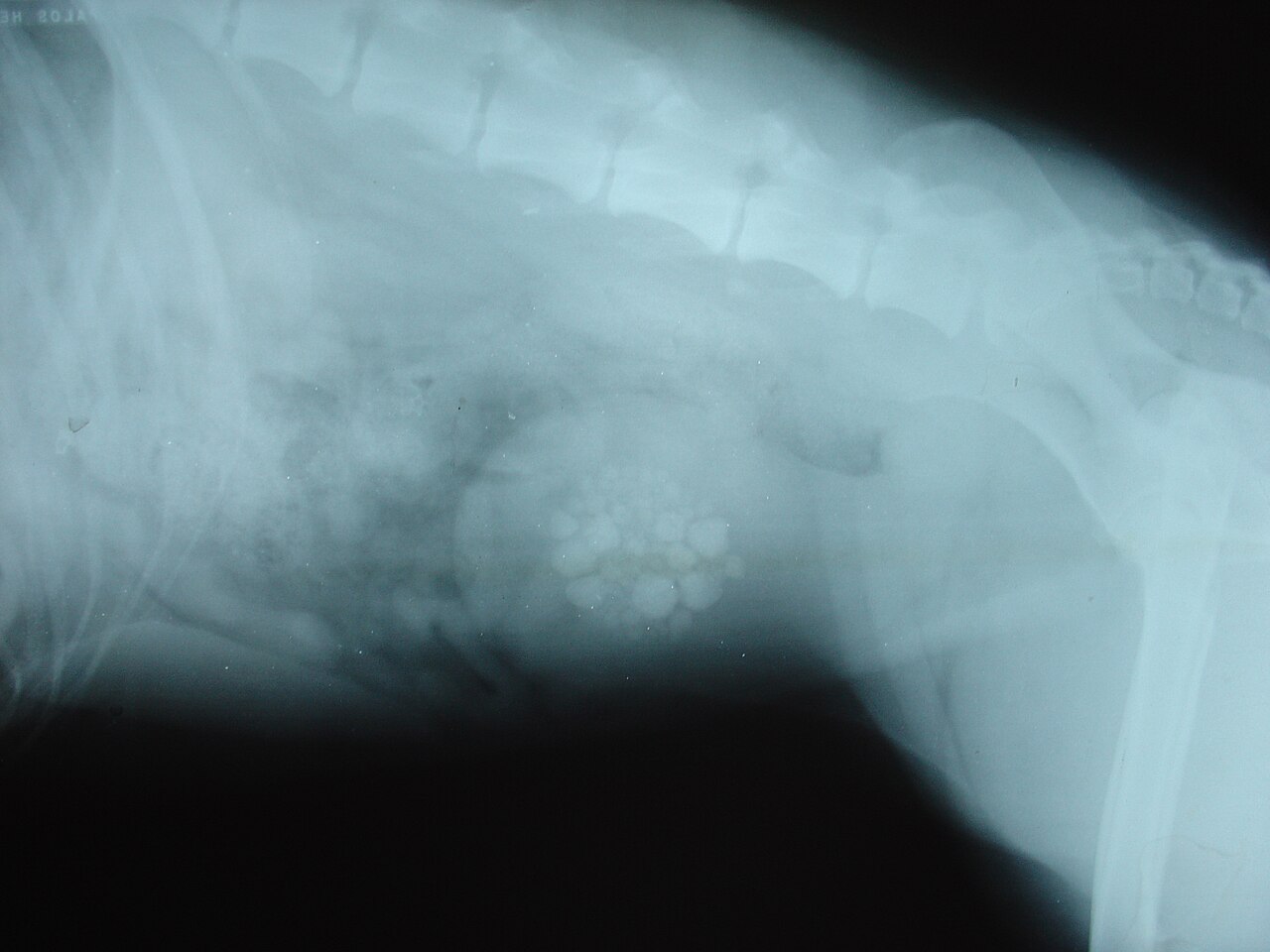
Identifying bladder stones typically begins with radiography. Most stone types cast a clear shadow on an x-ray, though urate and occasionally cystine stones are the notable exceptions. Stones smaller than three millimeters may also elude detection. Ultrasonography serves as a valuable complementary tool. While urinalysis can reveal crystals that hint at stone composition, definitive identification of the full chemical makeup requires direct analysis of the stone itself.
Management depends heavily on stone type. Struvite stones can be dissolved through urinary acidification, achieved via specialized diets that reduce protein, phosphorus, and magnesium while increasing salt to encourage water intake and dilute the urine. This diet must be fed exclusively but only for a limited period—typically a few months—due to potential side effects. Contraindications include heart failure, liver failure, kidney failure, pancreatitis, hypertension, and hypoalbuminemia. Prevention uses a similar but milder formulation.
Calcium oxalate stones, by contrast, have no recommended dissolution diet. Prevention focuses on a diet low in protein and oxalates but high in magnesium, phosphorus, and calcium. Potassium citrate has also been suggested, as it binds oxalates into soluble complexes and promotes alkaline urine. In rabbits, small stones and sand can be flushed out using urohydropropulsion.
Gallery
Frequently Asked Questions
Who is Bladder stone (animal)?
Bladder stones, also called uroliths, are mineral deposits that build up inside an animal's urinary bladder. They vary in size and number and are most frequently encountered in dogs, cats, and other small domesticated pets.
What are Bladder stone (animal)'s powers/role?
These stones grow when urine becomes oversaturated with crystalline minerals, with struvite and calcium oxalate being the two most common chemical types. Once established, they can obstruct the urinary tract, triggering severe pain, secondary infection, and in extreme cases, death.
Who does Bladder stone (animal) target?
Dogs and cats are the most commonly affected species, but uroliths have also been documented in tortoises, ferrets, and rabbits. An animal's susceptibility is shaped by urinary tract infections, dietary choices, inherited traits, and abnormal urine pH levels.
How does Bladder stone (animal)'s story end?
Veterinarians typically detect the stones using X-rays, ultrasound imaging, or detailed urinalysis. Treatment then ranges from dietary and medical management to surgical removal, depending on the stone's size, composition, and the severity of any obstruction.
Why is Bladder stone (animal) important?
Uroliths can develop quietly for weeks before causing a complete urinary blockage, making them a potentially life-threatening condition that owners often miss until a crisis hits. Early awareness of risk factors and routine veterinary screening are the best ways to prevent the most dangerous outcomes.
More in Animal diseases 1-24
Spotted an error? Know more?
This is a living reference — every entry is fact-audited, and reader corrections feed straight into our audit queue. Suggest an edit · See this site's audit record